Blog
Beyond Illumination: How Human-Centric Outdoor Lighting is Reshaping Our Spaces

For decades, the primary goal of outdoor lighting was simple: see in the dark. Today, a revolution is underway. We’re moving from basic functionality to Human-Centric Outdoor Lighting—a philosophy that places human biology, behavior, and well-being at the core of design.
It’s not just about light; it’s about right light.
Research now conclusively shows that lighting profoundly impacts our behavior, safety, and comfort. By applying these insights, we can transform public parks, corporate campuses, urban pathways, and retail districts into environments that actively support the people within them.
Here’s how human-centric principles are being applied under the open sky:
1. Tunable White Lighting: Syncing with the Time of Day
Imagine walking through a plaza at 7 PM and experiencing a soft, warm glow that feels inviting, not harsh. Later, at midnight, the same area is illuminated by a cooler, subtle light optimized for security cameras and occasional pedestrians.
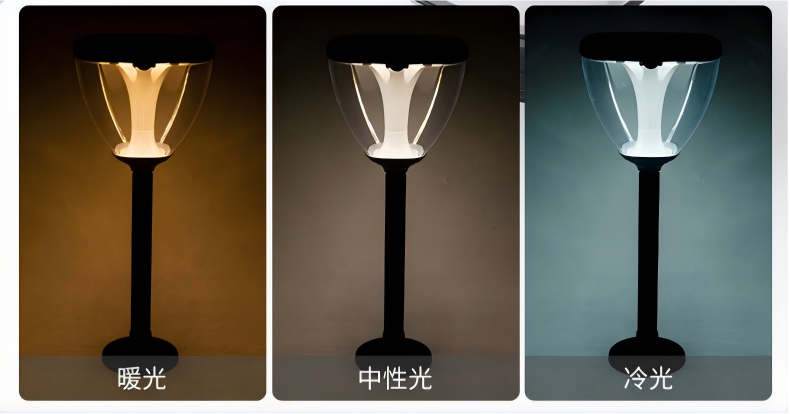
Tunable white LED systems garden light make this possible. By dynamically adjusting the color temperature (measured in Kelvins), lighting can mimic the natural progression of daylight:
Evening (Warmer, ~2700K): Promotes relaxation and social interaction in dining or residential areas.
Night (Neutral to Cool, ~4000K): Provides clarity and alertness for transit corridors or parking lots.
Pre-dawn (Cooler, ~5000K): Can help signal a shift to the waking day for shift workers.
This rhythm doesn’t just feel better—it helps anchor our natural sense of time, even after sunset.
2. Circadian Rhythm Support for 24/7 Workforces
For employees in industrial complexes, hospitals, or campuses with night shifts, the outdoor environment is part of their workspace. Human-centric lighting extends circadian support outdoors.
Strategically lighting pathways between buildings, break areas, and even sheltered outdoor smoking zones with cooler, brighter light during night shifts can help mitigate circadian disruption. This reduces fatigue, improves mood and alertness, and supports overall employee health. The goal is to create a cohesive 24/7 lighting journey that respects biological needs.
3. Enhanced Safety Through Vision-Centric Design
Safety has long been equated with "more light." Human-centric design argues for better light. The key is improved visibility without glare.
Glare from overly bright or poorly shielded fixtures creates dangerous "hot spots" and deep shadows, actually reducing overall visibility. Human-centric solutions employ:
Precise optical control to direct light exactly where needed—onto paths, not into eyes.
Uniformity and balanced luminance to eliminate stark contrasts that hide trip hazards or approaching individuals.
Appropriate light levels that allow the eye to function comfortably, enhancing facial recognition and depth perception at lower overall brightness (and energy use).
True safety lighting empowers our natural vision, allowing us to navigate confidently and identify potential risks effortlessly.
4. Wayfinding Integration: Guiding Pedestrian Flow Intuitively
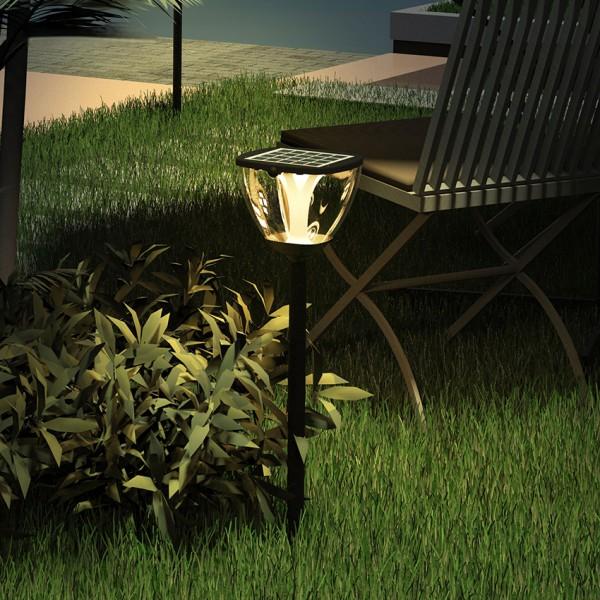
Lighting is a powerful, often subconscious, tool for navigation. Integrated wayfinding uses gardent light to guide people seamlessly through space.
This can be achieved through:
Gradient Lighting: Gradually increasing brightness to draw people toward entrances or key destinations.
Path Delineation: Using consistent linear lighting or bollards to define walkways, especially in mixed-use areas.
Focal Highlighting: Illuminating landmarks, signage, or decision points (like stairways or crosswalks) to create a logical flow.
This intelligent guidance reduces congestion, improves accessibility, and creates a more orderly, stress-free experience.
The Brighter Future
Human-Centric Outdoor Lighting represents a fundamental shift from viewing lighting as infrastructure to embracing it as an essential layer of the human experience. It’s an interdisciplinary approach merging optics, physiology, urban design, and data science.
The benefits are clear: enhanced well-being, proven safety improvements, operational efficiency, and the creation of truly engaging nighttime environments. As our cities and spaces evolve, lighting that sees us—and adapts to our needs—will be a cornerstone of intelligent, livable design.
Author introduction

Author
G'day My friends,
My name is Royce O'young, I’m the sales manager of Oleder Lighting. I have been in the LED lights industry for more than 16 years. Good at lighting design, street light system configuration, and bidding technology support,and architecture inner decorating lighting advice . Feel free to contact us.I’m happy to provide you with the best service and products.
Email: r.oyoung@oleder-lighting.com | Wechat/WhatsApp: +86159 2057 0517
Recommended Products

CATEGORIES
CONTACT US
Contact: Royce O'young
Phone: 15920570517
Tel: 0086-20-37716973
Email: r.oyoung@oleder-lighting.com
Add: Room 335,#1 Xianke 1st Rd, Honglitronic Group,Huadu ,510890, Guangzhou,P.R.C.
 Send Email
 Royce O'young
 Sales
Sales WhatsApp