Blog
Lumen vs Lux: How to Choose the Right Lighting for Better Space Illumination

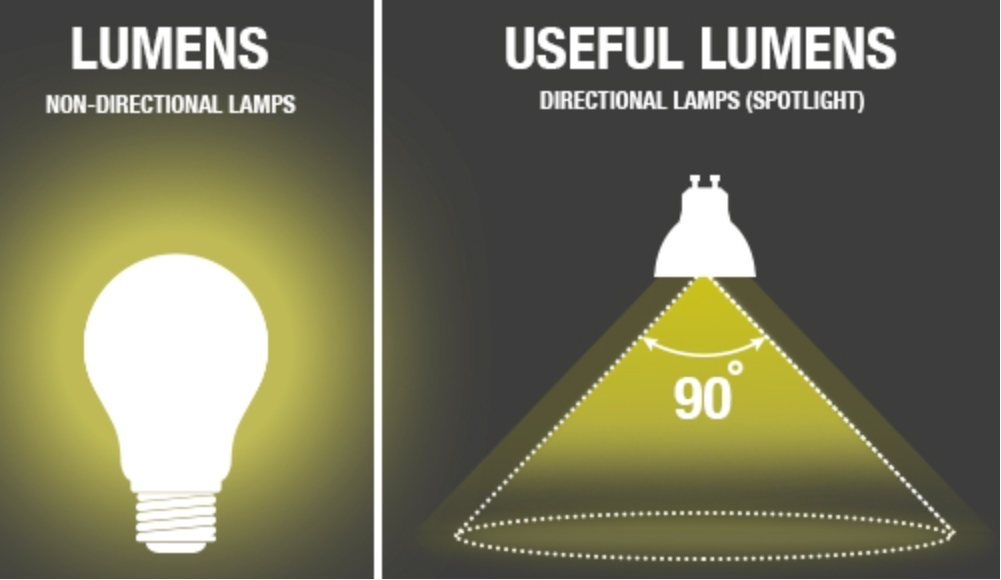
When designing lighting for residential, commercial, or architectural spaces, many people confuse lumen and lux. Understanding the difference between lumen vs lux is essential for achieving better space illumination, visual comfort, and energy efficiency. Choosing the wrong metric can lead to spaces that feel dim, harsh, or poorly balanced.
This guide explains what lumens and lux really mean, how they affect lighting performance, and how to use both correctly for optimal lighting design.
What Is Lumen in Lighting?
Lumen (lm) measures the total amount of visible light emitted by a light source. It tells you how bright a lamp or luminaire is, regardless of where the light goes.
Key facts about lumens:
Higher lumens = higher total light output
Used to compare brightness between bulbs or fixtures
Does not consider room size, mounting height, or beam angle
For example, an LED bulb with 1,000 lumens emits more light than a 600-lumen bulb, but that doesn’t guarantee better illumination in a space.
What Is Lux in Lighting Design?
Lux (lx) measures illuminance, meaning how much light actually reaches a surface.
1 lux = 1 lumen per square meter
Lux reflects the real lighting condition people experience in a room.
Key facts about lux:
Indicates brightness on floors, desks, or work surfaces
Affected by distance, beam angle, ceiling height, and reflectance
Essential for task lighting and visual comfort
In lighting design, lux is more practical than lumens because it shows how effective the lighting is in real spaces.
Lumen vs Lux: What’s the Difference?
| Aspect | Lumen | Lux |
|---|---|---|
| Measures | Total light output | Light on a surface |
| Unit | lm | lx |
| Depends on room size | No | Yes |
| Depends on mounting height | No | Yes |
| Used for | Choosing light sources | Designing illumination levels |
Simple explanation:
Lumens tell you how much light is produced
Lux tells you how much light is actually used
Why Lumen vs Lux Matters for Better Space Illumination
Many lighting problems occur because people focus only on lumens. A high-lumen fixture installed too high or with a wide beam angle can still result in low lux levels on the working area.
Factors that affect lux levels:
Ceiling height
Room size and layout
Beam angle and optics
Wall, floor, and ceiling colors
Fixture spacing and orientation
That’s why professional lighting design always starts with lux requirements, then calculates the needed lumens.
Recommended Lux Levels for Different Spaces
Here are general guidelines for better space illumination:
Residential Spaces
Living room: 100–300 lux
Bedroom: 100–200 lux
Kitchen worktop: 300–500 lux
Bathroom mirror area: 300–500 lux
Commercial & Office Spaces
Office desk: 300–500 lux
Meeting room: 300 lux
Retail store general lighting: 300–750 lux
Warehouse aisles: 150–300 lux
Meeting these lux levels ensures comfort, productivity, and safety.

How to Calculate Lux from Lumens
A basic estimation formula:
Lux = Total Lumens ÷ Area (m²)
Example:
A 20 m² room with 4,000 lumens total output:
4,000 ÷ 20 = 200 lux
This shows why large spaces need more lumens to maintain adequate lux.
Choosing Lighting Fixtures: Lumens First, Lux Always
Step 1: Define the Lux Requirement
Start with the recommended lux level based on the space function.
Step 2: Calculate Total Lumens Needed
Multiply lux by room area.
Step 3: Select Fixtures with Proper Optics
Narrow beam angles increase lux, while wide beams spread light more evenly.
Step 4: Use Layered Lighting
Combine ambient, task, and accent lighting to achieve balanced illumination.
Lumen vs Lux: The Key Takeaway
For better space illumination, lumens and lux must work together.
Lumens define the light source capability
Lux defines real lighting performance
A well-designed lighting system doesn’t just use high-lumen fixtures—it delivers the right lux level where people need it most.
FAQ: Lumen vs Lux in Product Selection
❓ Are higher lumens always better for track lights?
No. Track lighting depends more on beam control and lux on the target area.
❓ Why do high bay lights need very high lumens?
Because high ceilings reduce lux at floor level, requiring higher lumen output.
❓ Is lux important for street lighting?
Yes. Lux ensures road visibility, safety, and compliance with lighting standards.
The other topic for Wattage VS Lumen ,welcome to dicuss on next blog :
https://www.oleder-lighting.com/news/Wattage-vs-Lumens-Which-Matters-More.html
Author introduction

Author
G'day My friends,
My name is Royce O'young, I’m the sales manager of Oleder Lighting. I have been in the LED lights industry for more than 16 years. Good at lighting design, street light system configuration, and bidding technology support,and architecture inner decorating lighting advice . Feel free to contact us.I’m happy to provide you with the best service and products.
Email: r.oyoung@oleder-lighting.com | Wechat/WhatsApp: +86159 2057 0517
Recommended Products
CATEGORIES
CONTACT US
Contact: Royce O'young
Phone: 15920570517
Tel: 0086-20-37716973
Email: r.oyoung@oleder-lighting.com
Add: Room 335,#1 Xianke 1st Rd, Honglitronic Group,Huadu ,510890, Guangzhou,P.R.C.
 Send Email
 Royce O'young
 Sales
Sales WhatsApp